- Electronic Road Safety Enforcement Gets Major Upgrade

Electronic enforcement procedures against road safety violators are undergoing a significant transformation with enhanced focus on high-risk and high-density traffic corridors across India. This strategic initiative follows a directive from the Ministry of Road Transport and Highways (MoRTH), which has issued comprehensive standard operating procedures (SOP) to all states aimed at strengthening road safety compliance through technological integration.
The revamped enforcement framework represents a major shift in how traffic violations are monitored, recorded, and prosecuted across national and state highways. By leveraging advanced electronic monitoring systems, authorities aim to create a more efficient and transparent traffic management ecosystem that significantly reduces violations and enhances overall road safety standards.
Comprehensive SOP for Road Safety Compliance
The SOP has been meticulously prepared under Rule 167A of the Central Motor Vehicles Rules, 1989, and Section 136A of the Motor Vehicles Act, 1988. These detailed guidelines establish a robust framework for electronic monitoring and enforcement operations across the country, ensuring uniformity in implementation while addressing regional traffic management challenges.
“We currently have in place an intelligent enforcement management system (IEMS) or electronic enforcement mechanism at multiple stretches of the national and state highways in the state. Those sites will be revisited, and new critical junctions will be identified to enhance road safety compliance and enforcement through electronic devices,” explained a senior transport official.
Key Components of the SOP Framework
The standard operating procedure encompasses multiple critical aspects of electronic enforcement. It outlines specific types of electronic enforcement devices suitable for different traffic scenarios, identifies ideal installation sites based on traffic patterns and accident data, and provides clear justifications for device deployment at selected locations.
Furthermore, the SOP establishes stringent procedures for continuous monitoring, regular calibration, and scheduled maintenance of electronic enforcement devices. This ensures that all equipment operates at optimal efficiency and delivers accurate data for violation detection and prosecution purposes.
Strategic Device Placement at Critical Locations
The guidelines specify detailed provisions for the strategic placement of various electronic enforcement devices throughout the road network. These include speed cameras for velocity monitoring, CCTV cameras for comprehensive surveillance, speed guns for mobile enforcement operations, and body-worn cameras for on-ground personnel.
Advanced Monitoring Technologies
Additional sophisticated technologies covered under the SOP include dashboard cameras for patrol vehicles, automatic number plate recognition (ANPR) systems for vehicle identification, weigh-in-motion (WIM) machines for commercial vehicle compliance, and other cutting-edge traffic management technologies deployed at critical junctions and high-traffic zones.
All electronic enforcement devices must be installed following strict technical specifications that prevent any obstruction to traffic flow, avoid line-of-sight issues for drivers, and ensure minimal disruption to normal vehicular movement while maintaining maximum monitoring effectiveness.
Advanced Technology Integration for Traffic Management
Traffic Control Room Operations
The guidelines provide comprehensive details about the basic functions and key responsibilities of traffic control rooms, which serve as the nerve centers for electronic enforcement operations. These facilities must maintain real-time connectivity with all deployed devices and ensure immediate response to detected violations.
Database Integration and E-Challan Ecosystem
A critical component of the enhanced enforcement framework emphasizes updating and integrating relevant databases including Vahan (vehicle registration), Sarathi (driving license), and eDAR (electronic detailed accident report) systems. This integration strengthens the e-challan ecosystem, enabling seamless violation recording, offender identification, and automated challan issuance.
The SOP elaborates on standardized methods for recording and monitoring traffic violations, establishing communication protocols with offenders, and implementing efficient procedures for identification verification and challan generation and delivery.
Implementation and Future Impact
Transport authorities have already begun disseminating the SOP to all regional transport officers and stakeholders to ensure effective implementation across jurisdictions. “We have circulated the SOP to all regional transport officers and other concerned stakeholders to ensure effective implementation. Adopting these guidelines will significantly enhance enforcement efforts and contribute to reducing traffic violations and fatalities on our roads,” confirmed a senior transport official.
The implementation of these comprehensive guidelines is expected to dramatically improve road safety compliance, reduce traffic violations through deterrence, and ultimately contribute to decreasing road accident fatalities across India’s extensive highway network.
SOURCE : https://ehs.distilinfo.com/2025/12/08/electronic-road-safety-enforcement/
- Jio Launches Highway Safety Alert System

Indian highways are set to become safer with a groundbreaking telecommunications-based warning system. Reliance Jio has partnered with the National Highways Authority of India to deliver real-time safety alerts directly to mobile users traveling across the country’s extensive highway network.
Understanding the New Safety Initiative
Partnership Between Jio and NHAI
The collaboration between India’s largest telecom operator and NHAI marks a significant advancement in road safety infrastructure. Through a formal MoU, both organizations have committed to deploying an innovative warning system that leverages existing mobile network technology to protect travelers. This initiative specifically targets Jio’s massive user base of over 500 million subscribers who regularly use 4G and 5G services.
Addressing Critical Highway Safety Concerns
India’s National Highways witness thousands of accidents annually, many of which could be prevented with timely warnings. The new system addresses multiple hazardous conditions including accident-prone zones, fog-covered stretches, cattle-crossing areas, and unexpected route diversions. By providing advance notice, the initiative aims to reduce reaction time and improve driver preparedness.
How the Alert System Works
Multi-Channel Communication Strategy
The safety warning system employs a comprehensive communication approach to ensure maximum reach and reliability. Travelers approaching dangerous highway sections will receive alerts through three distinct channels: SMS messages, WhatsApp notifications, and high-priority voice calls. This multi-layered strategy guarantees that warnings reach users even in areas experiencing poor data connectivity or network congestion.
Automated Location-Based Triggers
The system operates on automated protocols that detect when Jio users enter or approach designated risk zones along National Highways. Geographic positioning technology enables precise targeting, ensuring only relevant travelers receive specific warnings. This automation eliminates delays associated with manual alert systems and provides consistent coverage across vast highway stretches.
Technology Behind Real-Time Warnings
Leveraging Existing Infrastructure
One of the most significant advantages of this initiative is its reliance on Jio’s established network of telecommunications towers. According to the Ministry of Road Transport and Highways, the system requires no additional roadside hardware or infrastructure investment. This approach enables rapid deployment and scalability across India’s extensive highway network without substantial capital expenditure.
Integration with Digital Platforms
The warning system will be progressively integrated with NHAI’s existing digital ecosystem. This includes seamless connectivity with the Rajmargyatra mobile application, which millions of travelers use for highway information, and the 1033 emergency helpline that provides immediate assistance during road emergencies. Such integration creates a comprehensive safety network that combines preventive alerts with emergency response capabilities.
Coverage and Implementation Strategy
Phased Rollout Approach
Implementation will follow a carefully structured phased approach beginning with pilot programs under selected NHAI regional offices. This initial testing phase allows authorities to fine-tune alert thresholds, calibrate warning triggers, and accurately identify high-risk zones requiring priority coverage. Data collected during pilot operations will inform nationwide expansion strategies.
Massive User Reach
With Jio’s subscriber base exceeding 500 million users, government officials anticipate unprecedented reach for this safety initiative. The sheer scale of coverage means millions of long-distance commuters and frequent highway travelers will benefit from enhanced situational awareness. This widespread adoption potential makes the system one of the most ambitious road safety projects in India’s history.
Future Expansion Plans
Collaboration with Other Telecom Operators
NHAI has confirmed plans to explore similar partnerships with other major telecommunications providers operating in India. Extending the alert system to additional networks will create comprehensive coverage that benefits all mobile users regardless of their service provider. This inclusive approach aligns with the government’s vision of equitable access to safety infrastructure.
Continuous Enhancement
As the system matures, authorities plan to incorporate additional features including weather-based warnings, traffic congestion alerts, and emergency vehicle notifications. Machine learning algorithms may eventually predict high-risk conditions before they develop, further enhancing preventive capabilities.
Conclusion
The Jio-NHAI partnership represents a transformative approach to highway safety that harnesses telecommunications technology for public welfare. By delivering critical warnings directly to mobile devices, the system empowers travelers with information needed to make safer decisions on the road. As implementation progresses and coverage expands, this innovative initiative promises to significantly reduce highway accidents and save countless lives across India.
SOURCE : https://ehs.distilinfo.com/2025/12/05/jio-launches-highway-safety/
- Road Safety Training Transforms Prevention Strategies

Each year, nearly 1.2 million people lose their lives in road traffic crashes globally—representing more than two deaths every single minute. This staggering statistic reveals a critical public health emergency that demands immediate attention and coordinated action across multiple sectors.
More than half of these fatalities involve vulnerable road users, including pedestrians, cyclists, and motorcyclists who lack the protective barriers that vehicle occupants have. The crisis disproportionately affects young populations, with road crashes ranking as the leading cause of death for children and young adults aged 5-29 years worldwide. Beyond the lives lost, these incidents cause an estimated 20-50 million injuries annually, creating lasting impacts on families, communities, and healthcare systems.
Despite these alarming numbers, road traffic crashes represent a preventable crisis. Evidence-based interventions and proven safety measures exist that can significantly reduce both fatalities and injuries. The challenge lies in implementation, public awareness, and creating sustained behavioral change through informed reporting and policy action.
Why Media Reporting Matters
The way media outlets report road crashes fundamentally shapes public perception of road safety issues. Journalists occupy a vital position in building public understanding, highlighting the human tragedy behind statistics, identifying root causes of traffic fatalities, and showcasing responses that effectively save lives.
Responsible journalism can shift narratives from individual blame to systemic solutions. When reporters frame crashes within broader contexts of infrastructure design, policy gaps, and preventive measures, they empower communities to demand meaningful change. Media coverage influences policymakers, shapes public discourse, and ultimately contributes to creating safer transportation systems for everyone.
Building Journalist Capacity Through Training
Recognizing journalism’s crucial role in road safety advocacy, a comprehensive workshop for broadcast, radio, print, and online journalists was held in Ha Noi, Viet Nam on November 3-5, 2025. Organized by WHO in collaboration with the Asia-Pacific Institute for Broadcasting Development and the Bloomberg Initiative for Global Road Safety, this training equipped media professionals with technical knowledge to produce more impactful stories.
The workshop brought together experts and journalists from Bangladesh, China, India, Malaysia, and Viet Nam to strengthen evidence-based reporting practices. Dr Nhan Tran, Unit Head of Violence and Injury Prevention at WHO, emphasized that modern transport systems must evolve with safety positioned at the core of mobility planning.
Dr Tashi Tobgay, Regional Advisor for Disability and Injury Prevention at WHO South-East Asia, highlighted persistent disparities: “While some regions have made progress reducing deaths, others, especially low-income areas, still face disproportionately higher risks. These tragic events not only claim lives but also cause serious injuries affecting families, communities, and health systems.”
Reframing the Issue: From Accidents to Solutions
The Power of Language Transformation
Ms Anonna Dutt, Special Correspondent at The Indian Express, drew parallels to successful reporting evolution: “The way journalists changed how suicide was talked about shows what responsible and informed reporting can achieve. No one says a person ‘committed’ suicide anymore. They say ‘died by suicide,’ and news reports often include helpline numbers for persons needing support.”
This transformation demonstrates journalism’s capacity to reshape public understanding through deliberate language choices. Similarly, road safety reporting must transition from framing fatal crashes as unavoidable “accidents” to recognizing them as “preventable incidents” with identifiable systemic causes and proven solutions.
Solutions Journalism Approach
The training emphasized solutions journalism—focusing on what works to improve road safety rather than solely highlighting problems. This approach explores underlying crash causes, documents success stories that inspire change, and leverages AI technologies to analyze trends and conduct in-depth investigations.
Mr Shahin Akter, Senior Staff Correspondent at New Age News in Bangladesh, reflected: “During the workshop, I learned about solutions journalism, which will help me write more effective stories focusing on the complex nature of the issue, including street planning, infrastructure, laws, and education. It will help me write human-centered stories that place crashes in broader road safety contexts.”
Language Changes That Save Lives
Simple linguistic shifts carry profound implications. Replacing “accident” with “crash” or “collision” removes the false notion that these tragedies are inevitable or unavoidable. When journalists present crashes as preventable events caused by unsafe road design, infrastructure deficiencies, regulatory gaps, or lack of protective equipment, they empower communities to demand systemic improvements.
Mr Amirul Aiman, News Anchor at Malaysia’s Astro Awani News, noted: “This is an eye-opener for us journalists. Rather than simply focusing on news, we’re seeking how to fix the problem. It’s constructive journalism that’s the need of the day.”
Human-centered stories that connect individual experiences to larger policy issues motivate safer behaviors and encourage improvements in road design and infrastructure. Field visits during the workshop demonstrated impactful collaborations between government agencies, media organizations, schools, and communities addressing immediate safety concerns, including protecting children traveling to schools.
Turning Information Into Action
Rapid urban development and increased mobility need not result in more injuries and deaths. Transportation systems designed with safety as the foundational principle demonstrably save lives. Viet Nam’s experience in reducing road deaths showcases how comprehensive road safety improvements—particularly for children and motorcyclists—prevent injuries and fatalities.
Mr Nguyen Ngoc Quang, Project Officer of Liveable Cities Project at HealthBridge Canada in Viet Nam, emphasized: “There is a need to shift mindsets—we need to build roads for safety and not just mobility.”
This paradigm shift from mobility-first to safety-first planning represents the transformation necessary to address the global road safety crisis. Through informed, evidence-based journalism that focuses on solutions rather than blame, media professionals can catalyze the policy changes and behavioral shifts needed to save lives on roads worldwide.
SOURCE : https://ehs.distilinfo.com/2025/12/04/road-safety-training-transforms/
- NHAI Partners With Jio for Highway Safety Alerts

The National Highways Authority of India (NHAI) has taken a significant step toward enhancing road safety by signing a memorandum of understanding with Reliance Jio. This groundbreaking initiative introduces a telecom-based safety alert system designed to protect millions of travelers across India’s extensive national highway network. The ministry of road transport and highways announced this collaboration on Tuesday, marking a new era in intelligent transportation systems for the country.
Understanding the NHAI-Jio Partnership
This strategic collaboration between NHAI and Reliance Jio represents a fusion of infrastructure management and telecommunications technology. The partnership aims to leverage Jio’s vast mobile network, which serves hundreds of millions of subscribers nationwide, to create a real-time safety communication channel for highway users. By integrating location-based services with highway safety data, this system establishes a proactive approach to accident prevention and traveler protection.
The agreement signifies India’s commitment to adopting smart transportation solutions that utilize existing mobile infrastructure. Rather than requiring specialized equipment or applications, the system works seamlessly with users’ existing mobile phones, making it accessible and user-friendly.
How the Safety Alert System Works
Real-Time Location-Based Alerts
The safety alert system operates by continuously monitoring the location of Jio users traveling on national highways. As vehicles approach identified risk zones, the system automatically triggers location-specific warnings directly to users’ mobile devices. This proactive notification mechanism provides drivers with crucial seconds or minutes to adjust their driving behavior, potentially preventing accidents before they occur.
Coverage of High-Risk Areas
The alert system specifically targets four critical categories of highway hazards:
Accident-Prone Stretches: Users receive advance warnings when approaching highway sections with historically high accident rates, allowing them to exercise increased caution and reduce speed.
Stray Cattle Zones: Notifications alert drivers about areas where stray animals frequently cross highways, a significant cause of accidents on Indian roads, particularly during nighttime travel.
Fog-Affected Areas: During winter months or in regions prone to dense fog, travelers get timely warnings about reduced visibility conditions ahead, enabling them to prepare for hazardous driving situations.
Emergency Diversions: Real-time updates inform users about sudden route changes, road closures, or construction work, helping them plan alternative routes and avoid congestion.
Benefits for Highway Travelers
This innovative safety system delivers multiple advantages to highway users. First, it significantly reduces the element of surprise that often leads to accidents, giving drivers critical time to react appropriately. Second, the alerts help maintain optimal speed and driving behavior based on actual road conditions rather than assumptions. Third, the system contributes to reduced congestion by providing advance notice of diversions and alternative routes.
For commercial vehicle operators and logistics companies, these alerts translate into improved fleet safety, reduced accident-related costs, and more efficient route planning. Long-distance travelers gain peace of mind knowing they’ll receive advance warnings about potential hazards along their journey.
Technology Driving Road Safety
The backbone of this system combines telecommunications infrastructure, GPS technology, and data analytics. NHAI’s extensive database of highway conditions and risk factors integrates with Jio’s network infrastructure to deliver targeted messages. The system uses geofencing technology to define risk zones and trigger alerts automatically when users enter designated areas.
This technological approach represents a cost-effective solution compared to traditional highway safety measures like extensive signage or physical barriers. Moreover, it’s easily scalable and can be updated in real-time to reflect changing road conditions or newly identified hazard zones.
Future of Smart Highway Infrastructure
This NHAI-Jio partnership sets a precedent for future smart highway initiatives in India. As the system matures, it could expand to include additional features such as weather updates, traffic density information, nearby emergency services, and even integration with vehicle safety systems. The success of this pilot could encourage similar collaborations with other telecom operators, eventually covering all mobile users across India’s highway network.
The initiative aligns with India’s broader vision of creating intelligent transportation systems that prioritize safety while supporting economic growth through efficient logistics and transportation networks.
SOURCE : https://ehs.distilinfo.com/2025/12/03/nhai-partners-with-jio-for-safety/
- India Advances Road Safety Certification Standards

The Geneva-based International Road Federation (IRF), a leading global authority on road safety, has formally proposed a comprehensive partnership with India’s Ministry of Road Transport and Highways (MoRTH) to strengthen and advance the national Road Safety Audit Certification framework. This strategic initiative, announced on Monday, marks a significant milestone in India’s commitment to reducing road fatalities and improving infrastructure safety standards.
Working in collaboration with its India Chapter (IRF-IC), the international body responded to MoRTH’s October communication, which emphasized the urgent need to enhance professional standards and protocols in road safety auditing across the nation. This partnership aims to establish a unified, internationally recognized certification system that aligns India’s road safety practices with global best practices.
Alarming Road Accident Statistics Drive Reform
The urgency of this initiative cannot be overstated when examining India’s road safety crisis. According to the latest report from the National Crime Records Bureau (NCRB), road accidents in 2023 claimed over 1.73 lakh lives and left 4.47 lakh people injured across the country. These staggering figures represent not just statistics, but families devastated and communities impacted by preventable tragedies.
Particularly concerning is the vulnerability of two-wheeler riders, who accounted for nearly 46 percent of all road accident victims. This demographic pattern underscores the need for specialized road safety auditing expertise that can identify and mitigate risks specific to India’s diverse transportation landscape. The economic impact of these accidents extends beyond immediate losses, affecting national productivity and healthcare systems substantially.
K.K. Kapila, President (Emeritus) of IRF and Founder President of IRF-IC, emphasized the critical national imperative for developing a highly skilled cadre of road safety auditors. In his official communication to the Ministry, he highlighted how road crashes continue to extract a devastating toll on human life while inflicting substantial economic losses on the nation’s development trajectory.
International Registry Programme Framework
Global Implementation Success Stories
The cornerstone of IRF’s proposal is its International Registry Programme, a comprehensive initiative designed to develop, recognize, and accredit competent Road Safety Auditors worldwide. This programme has been successfully implemented across multiple countries, including the United Kingdom, Australia, Tanzania, Turkey, and India, creating a unified global standard for road safety auditing excellence.
The programme’s international success demonstrates its adaptability to diverse road networks and traffic conditions while maintaining rigorous professional standards. By adopting this framework, India joins a prestigious network of nations committed to evidence-based road safety improvements and professional capacity building.
India’s Road Safety Audit Certification Launch
Training and Certification Process
In October 2025, India formally launched the Road Safety Audit Certification Programme with significant institutional support. The National Highways Authority of India (NHAI) in New Delhi and the Maharashtra State Road Development Corporation (MSRDC) in Mumbai provided crucial backing for this groundbreaking initiative.
The inaugural certification programme saw over 40 engineers undergo intensive theoretical and practical assessments based on internationally approved norms and standards. These rigorous evaluations ensured that certified professionals possess both comprehensive knowledge and practical skills necessary for conducting thorough road safety audits. Upon successful completion, participants received the prestigious Certification of Competence, recognizing their expertise in road safety auditing.
Building Professional Road Safety Auditor Cadre
The certification framework follows a structured professional development pathway designed to build expertise progressively. Newly certified professionals initially participate in international audits as Observers, allowing them to learn from experienced practitioners in real-world scenarios. As they accumulate field experience and demonstrate competence, they advance to Team Member roles, taking on greater responsibilities in audit processes.
The ultimate goal is progression to Team Leader positions, where certified auditors can independently lead comprehensive road safety assessments and mentor the next generation of professionals. This hierarchical progression ensures quality control while building sustainable institutional capacity for road safety management.
Future Roadmap for Nationwide Implementation
IRF-IC has emphasized that formal collaboration with MoRTH would significantly elevate both the quality and consistency of road safety audits throughout India. The Federation has formally requested the ministry to facilitate nationwide capacity building by empanelling IRF-IC for conducting Road Safety Audit Certification programmes across all regions.
This partnership promises to establish standardized protocols, enhance professional accountability, and ultimately save thousands of lives through improved road infrastructure design and maintenance practices. The initiative represents a crucial step toward making India’s roads safer for all users, from pedestrians to commercial vehicle operators.
SOURCE : https://ehs.distilinfo.com/2025/12/02/india-advances-road-safety/
- AI Transforming India’s Road Safety Fleet Management

The statistics paint a sobering picture of India’s road safety landscape. Throughout 2023, Indian highways and urban roads witnessed a staggering toll of human life and economic loss. With 4,80,583 crashes recorded across the nation, resulting in 1,72,890 fatalities and 4,62,825 injuries, the country faces an urgent transportation crisis that demands immediate attention and innovative solutions.
Breaking down these numbers reveals an even more alarming reality—approximately 55 crashes occur and 20 lives are lost every single hour on Indian roads. This pattern has remained disturbingly consistent, with annual fatalities staying above 1.5 lakh since 2018. For commercial fleet operators and logistics companies that form the backbone of India’s economy, these figures represent far more than statistical abstractions.
These are not just public safety figures; they translate into daily operating risk for logistics networks that keep the economy moving. The human toll is immense, and the business fallout, ranging from insurance claims and operational downtime to unpredictable delivery performance, is just as significant. For every accident on Indian roads, there are ripple effects that impact families, businesses, and the broader economy.
The Commercial Fleet Challenge
Commercial fleets sit at the sharpest end of this exposure. Long routes, tight service windows, and congested hubs compress decision time, raise fatigue, and increase the chances of a momentary lapse turning into an incident. Drivers navigate complex traffic conditions while managing delivery deadlines, creating a perfect storm of risk factors.
The traditional response to risk in fleet technology was centered around efficiency and security. Mainly, telematics were used for tracking, monitoring, and surveillance—a reactive and often punitive approach focused on the asset rather than the human operating it. This backward-looking methodology could identify what went wrong but did nothing to prevent incidents in real time.
That paradigm is now shifting dramatically. As AI and edge computing move safety from “after the fact” to “in the moment,” and equally important, transition from surveillance to support, the industry is witnessing a fundamental transformation. The aim is clear and straightforward: reduce incidents, enable better decisions, and cultivate higher trust between fleet operators and drivers.
Policy Evolution and Regulatory Mandates
Policy is pushing in the same direction as technology innovation. The government issued a draft amendment in March 2025 to the Central Motor Vehicles Rules stating that, from April 1, 2026, for new models and October 1, 2026, for existing models, heavy passenger and goods vehicles should be equipped with advanced driver assistance features.
These mandatory systems include:
- Driver Drowsiness & Attention Warning
- Lane Departure Warning
- Advanced Emergency Braking
- Vehicle Stability Function
This draft signals that proactive driver assistance will become the baseline on Indian roads, not an optional premium feature. It also sits alongside earlier safety mandates, such as the 2021 notification that made the co-passenger airbag mandatory, cumulatively highlighting a “safety-first” posture in regulation. The regulatory momentum is unmistakable, and fleet operators who wait will find themselves scrambling to comply when deadlines arrive.
Edge Computing: The Real-Time Revolution
The critical breakthrough enabling this new era is moving AI processing from the distant cloud to the device itself—this is edge computing. In the past, a risky event would have to be recorded, uploaded, and reviewed hours or days later. On the road, such latency makes proactive intervention impossible.
Edge computing changes the game by running deep-learning models directly on a multi-camera device; the system functions like a real-time “virtual co-pilot.” It has “eyes” in the form of cameras and “brains” in an onboard AI processor. This allows it to analyze 100% of the driving time, and this “on-device” intelligence means alerts are instantaneous.
The moment the system detects a high-risk behavior, it provides an immediate in-cab audio cue. This isn’t surveillance; it’s intervention. It’s the digital equivalent of a co-passenger saying, “Watch out!” or “Put your phone down”—an alert that can correct dangerous behavior the very second it occurs. In environments where milliseconds matter, this real-time capability is revolutionary.
AI-Powered Driver Monitoring Systems
AI-based Advanced Driver Monitoring Systems use in-cab sensors that focus specifically on the driver’s eyes. Using sleep science, these systems apply validated biometric measurements, like the Percentage of Eyelid Closure over the Pupil over Time (PERCLOS), to detect the earliest signs of fatigue, distraction, and over-speeding. The AI intervenes with a real-time alert before a lapse becomes a catastrophe.
Outward-Facing Intelligence
Simultaneously, AI-powered outward-facing cameras continuously scan the environment and calculate the probability of a collision. This is crucial because even when a driver is driving well, other vehicles on the road may not be. The AI alerts the driver to these impending risks, giving them the precious seconds needed to react.
Contextual Understanding
What makes this technology powerful is that it is highly contextual. The AI doesn’t just give blind alerts; it understands the driver’s normal patterns and, critically, the surrounding situation. Drivers manage numerous complex situations, and a necessary action in one context, such as accelerating to avoid a collision, might appear to be a violation in another. The AI understands this distinction, cutting alert noise while preserving sensitivity, which keeps the “AI co-pilot” credible to the person who matters most: the driver.
Beyond Prevention: Building Safety Culture
Technology alone does not change culture, but it can make culture change possible. For years, safety programs leaned on “gotcha” moments: catch the mistake, flag the driver, repeat. That model delivers compliance on paper and cynicism in the cab.
The alternative is positive reinforcement—recognizing smart decisions in real time, from creating space to avoid a hazard to maintaining buffers in heavy traffic, and reinforcing “safe streaks” over hours and days. Vision-based, edge-AI platforms that analyze full drive time and turn those moments into coaching and recognition have reframed the relationship between drivers and safety teams.
The GreenZone Approach
Evidence from fleets shows that when drivers feel supported (and not surveilled), safety sticks and retention improves. Netradyne’s work with GreenZone® scoring, the industry’s first driver score that publishes both safe and risky driving behaviors, shows that as driver scores rise, collision rates fall.
The GreenZone Score is calculated by analyzing 100% of driving time using AI and edge computing to detect both positive and risky behaviors. Safe actions like smooth braking and attentive driving improve the score, while violations like speeding or distraction reduce it. Internal analyses show that a 50-point increase in GreenZone correlates with roughly a 13-15% reduction in collision frequency; crucially, the scoring arises from both safe and risky behaviors, so drivers see credit for what they do right.
The Business Case for AI Safety
It is worth connecting safety to the business math because that is where scale happens. Every avoided incident reduces volatility in cost-per-kilometer: fewer claims, fewer unplanned repairs, steadier asset availability, and more predictable delivery performance.
This is why many leadership teams now view driver assistance and coaching not as a compliance overhead but as an operations lever that stabilizes service levels and improves customer experience. The return on investment becomes clear when fleets calculate the total cost of accidents—not just the immediate repair bills but also insurance premium increases, legal liabilities, downtime, replacement drivers, and damage to customer relationships.
Trust as a Foundation
All of this only works if trust is a metric and not a slogan. Drivers must know that the system exists to keep them safe, protect them from false narratives, and credit their skill. That is the difference between a technology you install and a technology people will use. The arc of policy is supportive, the technology is mature, and the Indian operating context (diverse traffic, improving highways, uneven connectivity) makes real-time, on-device assistance a “must,” not a “nice to have.”
Future of Fleet Safety in India
The results from early adopters are already clear. Fleets leveraging this technology are reporting accident reductions of up to 50% or more. This is just the beginning. As more fleets come online, the collective data will feed the AI models, making them progressively smarter, more predictive, and more effective at preventing incidents before they happen.
AI and edge computing might be the most significant leap in road safety since the seatbelt. By predicting risk, they provide an essential safety net. But their true legacy will be in changing behavior and building trust.
This technology creates a new ecosystem where fairness and quality are valued. It also protects drivers from false claims, rewarding them for their skill, and ensuring a smoother, safer ride for passengers. Ultimately, this superior driver performance translates directly into superior fleet performance: greater reliability, on-time deliveries, and a higher, more dependable level of service for end customers.
India is at an inflection point, and the coming years will be a watershed for safety technology in heavy vehicles. The numbers demand urgency, but the opportunity is bigger than compliance. AI at the edge has the potential to become the most meaningful leap in road safety since the seatbelt, less because of any single feature and more because it changes behavior in the moment. The future of fleet safety is not just about preventing accidents—it’s about creating a culture where safety, efficiency, and driver dignity coexist and reinforce one another.
SOURCE : https://ehs.distilinfo.com/2025/12/01/ai-transforming-indias-road-safety/
- India’s Alarming Road Safety Crisis: Urgent Policy Reforms By 2030

India faces a devastating road safety emergency that demands immediate attention and comprehensive policy intervention. With one road death occurring every three minutes across the nation, the country’s roadways have become zones of preventable tragedy that claim thousands of lives annually. This staggering mortality rate not only represents immeasurable human suffering but also drains an estimated three to five percent of India’s GDP each year, disproportionately impacting low-income families who bear the brunt of these preventable deaths.
The Road Safety Network (RSN), a prominent coalition of civil society organizations dedicated to reducing road crash fatalities, has emerged as a leading voice calling for transformative change. Ahead of the World Day of Remembrance for Road Traffic Victims, the network released a groundbreaking solution-focused whitepaper during a high-level virtual dialogue titled “Road Safety: Exploring Systemic Gaps and Policy Solutions.” This landmark event brought together officials from transport, health, and education departments alongside leading road safety experts to chart a course toward halving fatalities by 2030.
The Scale of the Problem
The statistics paint a grim picture of India’s road safety landscape. According to RSN’s comprehensive whitepaper, titled “Solving India’s Road Safety Crisis with Data-Backed, Scientific, and Evidence-Based Solutions,” India recorded a staggering 480,583 crashes and 172,890 deaths in 2023 alone. This represents approximately eleven percent of global road fatalities despite India possessing only one percent of the world’s vehicles—a disparity that underscores the severity of the crisis.
These alarming figures highlight systemic failures that experts describe as both predictable and preventable. The deaths result from chronic gaps in enforcement mechanisms, unsafe road design principles, and fragmented governance structures that lack coordination and accountability. Unlike natural disasters or unavoidable accidents, these fatalities stem from policy failures, inadequate infrastructure, and enforcement gaps that can be addressed through determined action and evidence-based reforms.
Expert-Led Solutions and Recommendations
Leading experts at the virtual dialogue emphasized the urgent need for fundamental shifts in India’s approach to road safety. Professor Sikdar, Advisor to the Indian Roads Congress, stressed the critical importance of unwavering commitment to the Safe System Approach. He highlighted that protecting vulnerable road users requires high levels of passion and commitment from policymakers, planners, and engineers, ensuring that facilities built for their safety are safeguarded from encroachment and misuse.
Professor Bhargab Maitra of IIT Kharagpur, who moderated the discussion as a member of RSN, emphasized the necessity of redesigning roads based on India’s unique traffic realities. He advocated for prioritizing speed management and adapting road designs to ensure comprehensive safety for all users, recognizing that India’s mixed traffic patterns require specialized solutions that differ from Western models.
Ravishankar, a CUMTA road safety expert, called for immediate reforms across multiple fronts. His recommendations included improving police crash data collection for better cause analysis, ensuring helmet compliance through integrated education and enforcement strategies, and holding road-owning agencies accountable to key IRC safety standards. These coordinated measures, he noted, could collectively save countless lives while addressing the root causes of India’s road safety crisis.
Five Urgent Measures for Road Safety Reform
National Road Safety Mission Establishment
The RSN whitepaper proposes establishing a National Road Safety Mission (NRSM) as a central coordinating mechanism to bring coherence to currently fragmented efforts spread across multiple ministries and state departments. This unified approach would streamline policies, allocate resources efficiently, and ensure consistent implementation of safety standards nationwide.
Scientific Speed Management Practices
Equally critical is adopting scientific speed management practices. The RSN argues that speed limits must be rationalized based on road function, engineering design, and human tolerance levels rather than arbitrary thresholds. This evidence-based approach would enable authorities to better manage risk and reduce crash severity, particularly along high-speed corridors where fatalities are disproportionately concentrated.
Legally Binding State Action Plans
The network calls for legally binding state road safety action plans backed by clear accountability mechanisms. These plans must incorporate measurable targets to ensure states move beyond advisory frameworks toward time-bound, outcome-oriented action. Such enforceability is vital for bridging the gap between policy announcements and ground-level implementation.
Protecting Vulnerable Road Users
Significant emphasis has been placed on protecting vulnerable road users—pedestrians, cyclists, and two-wheeler riders—who account for nearly sixty-eight percent of all road deaths. RSN recommends safer street design, improved lighting infrastructure, and stringent enforcement of helmet and seat-belt regulations to safeguard these groups who remain disproportionately exposed to risk in India’s rapidly motorizing urban centers.
Modernizing Crash Data Systems
Finally, RSN highlighted the urgent need to modernize crash data systems to enable real-time and transparent reporting. Without credible and timely data, the network warned, India’s road safety framework will remain reactive rather than preventive, hindering the country’s ability to decisively reduce its road fatality burden.
Economic Impact and Path Forward
The economic burden of road crashes extends far beyond immediate medical costs, draining three to five percent of India’s GDP annually. This massive economic loss affects productivity, healthcare systems, and family incomes, with low-income families bearing disproportionate hardship from the loss of primary breadwinners. Without coordinated, evidence-driven reforms, experts warn, India risks continuing its trajectory of preventable loss of life on roadways.
The path forward requires unwavering political commitment, adequate resource allocation, and sustained public engagement. By implementing these five urgent measures and embracing data-driven governance, India can transform its road safety landscape and achieve the ambitious goal of halving fatalities by 2030, saving thousands of lives and preserving families from devastating losses.
SOURCE : https://ehs.distilinfo.com/2025/11/27/indias-alarming-road-safety/
- Road accidents on national highways account for 48% in Assam
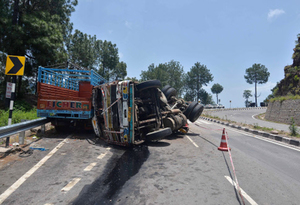
In Assam, road accidents on national highways account for 48%, whereas state highways and other roads account for 25% and 27% respectively.
Assam Transport Minister Chandra Mohan Patowary reviewed the action taken by the stakeholders on implementation of road safety laws in the State and directed all authorities to take measures for stricter enforcement of road safety rules.
READ MORE AT : https://economictimes.indiatimes.com/
SOURCE : https://economictimes.indiatimes.com/
- Six die in road accident in Raigarh district of Chhattisgarh

RAIPUR: Five women and a teenaged girl died after the pick-up vehicle they were travelling on collided with a lorry in Raigarh district about 220 km east of Raipur on Tuesday.
“All the six died on the spot in the accident. Around 20 others sustained injuries and were rushed to the district hospital. The victims were returning to their village Chaal after attending a wedding ceremony,” Raigarh superintendent of police Santosh Singh said.
Express his condolence to the bereaved families, state chief minister Bhupesh Baghel announced Rs 25000 as immediate relied for the kin of the deceased.
SOURCE : newindianexpress.com
- Madhya Pradesh: Meeting held in Dhar to explore ways for road safety, decrease accidents

Dhar: On Monday, under the chairmanship of Collector Alok Kumar Singh, a meeting was organised in which discussion about ways to save people from road accidents, implementation of road safety laws, educating people about road safety and post-accident treatment was held.
It was informed in the meeting that 14 places in the district have been marked as black spots. Collector Singh said, Along with this, work should be done at other critical places of the district under the project, so that those roads become better.
Under this project, work will be done in Badnawar, Sardarpur, Dhamnod, Manawar, Kukshi and Dharampuri. Along with this, a control command centre was also made for a smart traffic system.
There will be studies on various aspects of road safety such as road safety awareness and education, engineering interventions, post-accident care and emergency service from key stakeholders in the district.
SOURCE : freepressjournal.in